
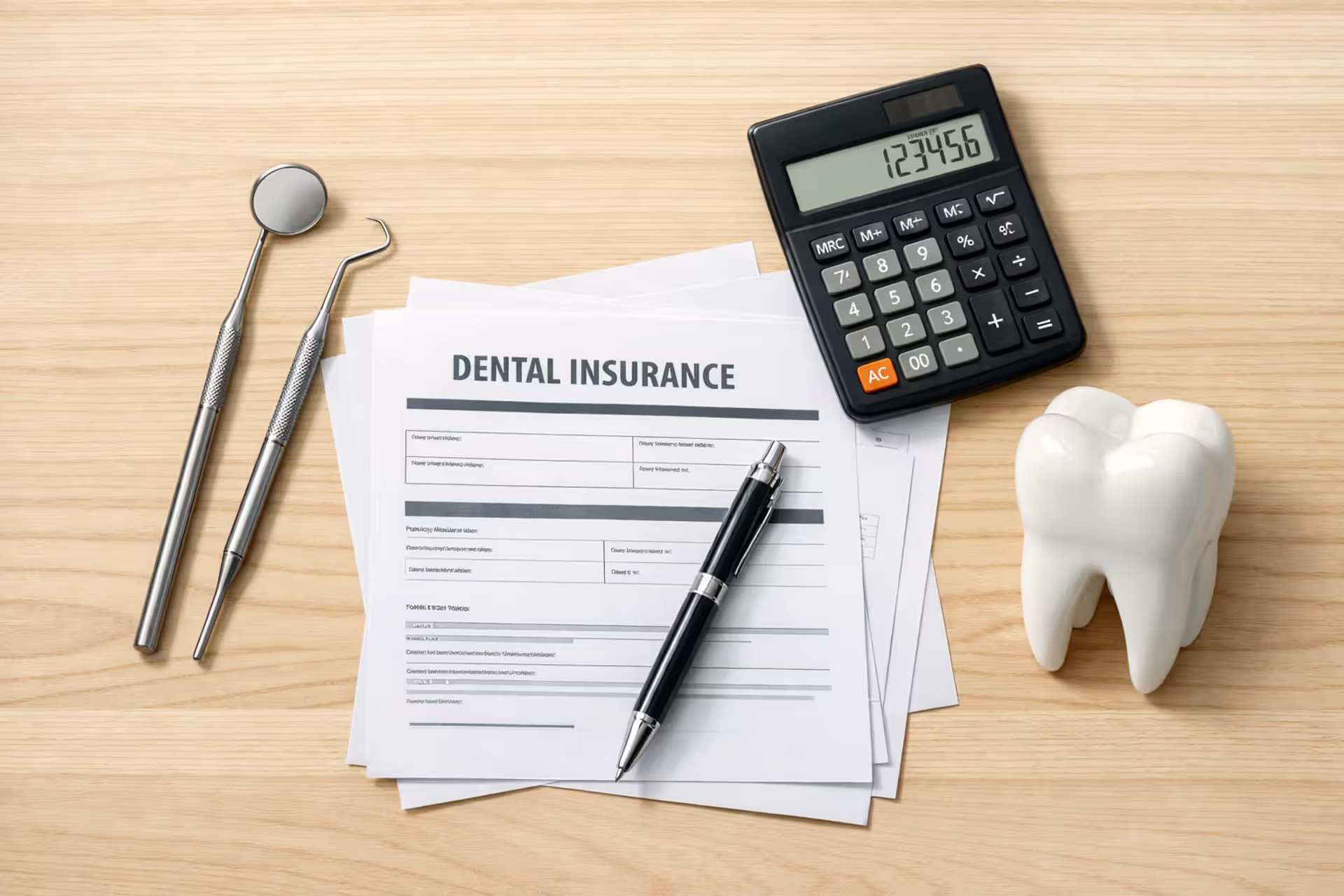
Dental insurance documents, calculator, pen, and dental tools arranged on a light wooden desk, top-down view
How Do You Get Dental Insurance in the United States?

Americans spend billions on dental care every year, but here's the kicker—more than 74 million people have zero coverage. And unlike your medical insurance that might've come bundled with your job, dental benefits? Those usually require separate enrollment and sometimes feel like solving a puzzle blindfolded.
Here's what trips people up: Your employment situation, how quickly you need coverage, and your budget all determine which path makes sense. I've seen folks assume they can't get dental insurance without a "real job," while others think they need medical insurance first. Some people sign up without reading the fine print, then show up needing a crown only to learn they've got to wait another 11 months.
Let me break down the actual process of getting dental insurance—whether you're working full-time, freelancing, unemployed, or just need something fast.
What Is Dental Insurance and Do You Need It?
Think of dental insurance as a benefits contract that chips in for your oral care costs. Here's the typical setup: insurers cover your preventive stuff (cleanings, X-rays, checkups) at 100%, knock your fillings and basic work down to 20% of the cost, and split major procedures like crowns 50-50 with you. Most policies cap their annual payout somewhere between a grand and $2,500.
Now, do you actually need it? Depends entirely on your teeth and wallet.
Got healthy teeth and visit the dentist twice yearly for routine stuff? You might be throwing money away. Two cleanings and exams run you maybe $150-$400 out-of-pocket annually in most cities. Individual dental premiums? Those'll cost you $360-$720 per year. Do the math—you could be paying $300+ more just to have coverage you barely use.
But let's say you need a crown. Without insurance, that's an $800-$1,500 hit. Root canal? Try $700-$1,400 depending which tooth is screaming at you. Need multiple fillings or you've got gum disease that requires regular treatment? Insurance suddenly looks pretty smart.
Here's my rule of thumb: Pull up your dental records from the last three years. If all you see is "cleaning, exam, good job brushing," skip insurance and pocket the premium savings. But if you spot fillings, gum treatments, or your dentist keeps mentioning that suspicious molar, coverage probably saves you money. Diabetics and people with chronic conditions should lean toward getting insured—your dental problems tend to multiply.
Families with kids fall into their own category. Children need consistent monitoring, and orthodontics can demolish your savings account faster than you'd believe.

Author: Ashley Whitford;
Source: ladylesliebelize.com
How to Get Dental Insurance Without a Job
Being unemployed definitely complicates things, but it doesn't eliminate your choices. You've got five solid routes worth exploring.
Start with the Health Insurance Marketplace. During open enrollment (runs November through mid-January usually), you can grab standalone dental plans without touching medical insurance. Healthcare.gov lets you filter specifically for dental-only options. These plans come in two flavors: high coverage (bigger premiums, smaller bills when you need work done) and low coverage (cheaper monthly, but you'll pay more per procedure). Your state's marketplace works the same way.
Medicaid might cover you, though it's a state-by-state gamble. Some states offer full adult dental benefits through their Medicaid programs—cleanings, fillings, extractions, the works. Others limit adults to emergency-only care, which basically means "we'll pull the tooth but won't save it." Kids get comprehensive coverage nationwide no matter which state you're in, thanks to EPSDT benefits. Look up your specific state's Medicaid dental coverage or call their enrollment line.
Just lost your job? COBRA extends your workplace plan for 18 months, dental included. Fair warning: you're paying the full premium yourself plus a 2% admin fee, so it's expensive. COBRA makes sense in specific situations—maybe you're halfway through getting veneers, or you've already burned through your deductible and have more planned work. Otherwise, it's usually too pricey.
Married? Jump on your spouse's employer plan. Most companies let you add dependents during their open enrollment window or within 30 days if you've lost other coverage (that's considered a "qualifying event"). Call their HR department and ask about dependent add-on costs and timing.
Direct purchase from insurance carriers works year-round—no job required, no enrollment deadlines. Delta Dental, Cigna, Humana, and other big names sell individual plans straight from their websites. You'll pay full freight without an employer subsidy, but you can buy coverage in July just as easily as January.
Can You Get Dental Insurance on Your Own?
Absolutely, and it's actually pretty straightforward. You don't need an employer sponsoring you, and the whole process takes about 15 minutes online.
Head to any major dental insurance company's website and hunt for their individual plans section. You'll answer basic questions—where you live, your birth date, Social Security number, that kind of stuff. Unlike medical insurance with its health questionnaires, dental carriers approve you instantly. They don't care about pre-existing conditions or your medical history.
The catch? You're paying retail prices. When employers offer dental coverage, they've negotiated group discounts and typically cover 50-70% of your premium. Buying solo means you're footing the entire $20-$80 monthly bill depending on which coverage tier you pick.
Network size matters more than you'd think. Before clicking "purchase," search that insurer's provider directory. Is your current dentist listed? Because staying in-network saves you serious money—sometimes hundreds per year. Some people don't mind switching dentists to save cash. Others have seen the same dentist for 15 years and would rather pay extra to keep that relationship.
Here's something people miss: individually purchased dental plans don't qualify for those ACA premium tax credits you might get on health insurance. But honestly, dental premiums run cheap enough that subsidies aren't really necessary for most folks.
The best part about individual plans? Total enrollment flexibility. Your employer makes you wait until November for open enrollment. Individual plans? Buy one next Tuesday if you want. Need coverage in March? Go for it. This flexibility helps when you've missed enrollment windows or suddenly realize you need coverage.

Author: Ashley Whitford;
Source: ladylesliebelize.com
How Long Does It Take to Get Dental Insurance?
Getting enrolled happens fast—usually within 24 hours for plans bought directly from insurers. Marketplace applications take slightly longer, maybe 2-3 business days for processing.
Your actual coverage start date follows a different timeline. Enroll between the 1st and 15th? Coverage kicks in on the 1st of the next month. Enroll between the 16th and month's end? You're waiting until the 1st of the month after that. So signing up March 10th gets you April 1st coverage. Sign up March 20th and you're waiting until May 1st.
But here's the real timeline problem: waiting periods.
Most dental plans make you wait before covering certain procedures. Preventive care (cleanings, routine exams, X-rays)? Usually no waiting period—use those benefits the day your coverage starts. Fillings and basic procedures? Expect to wait 3-6 months. Major stuff like crowns, bridges, root canals? You're looking at 6-12 months minimum. Orthodontics can have 12-24 month waiting periods when plans even cover braces at all.
You'll find some direct-purchase plans advertising "zero waiting periods!" Read that fine print carefully. They're either charging premium prices or capping annual benefits super low to offset the immediate coverage risk. These can work if you need one specific procedure soon and can stomach the higher monthly cost.
Getting Emergency Dental Coverage Quickly
Real emergencies—serious infections, facial trauma, bleeding you can't stop—need immediate attention, insurance or not. Hospital ERs treat life-threatening dental infections, though they'll give you antibiotics and pain meds rather than actually fixing the tooth.
For urgent situations that aren't life-threatening, you've got options. Dental discount plans (not insurance, more on that below) activate within 1-3 business days. You pay an annual membership around $100-$200, then get discounted rates at participating dentists immediately. Good for handling one procedure, not so much for ongoing care.
Many dentists arrange payment plans for emergency treatment. Call offices directly and explain you're uninsured but have a dental emergency. They'll often treat you and set up monthly payments. Community health centers (find them at FindAHealthCenter.hrsa.gov) provide dental care on a sliding scale based on what you earn. Wait times vary wildly, but they prioritize emergencies.
Let's be honest: comprehensive dental insurance won't help your emergency if you just enrolled yesterday. Plan ahead when you can instead of scrambling when a tooth starts throbbing at midnight.

Author: Ashley Whitford;
Source: ladylesliebelize.com
Understanding Waiting Periods for Procedures
Waiting periods exist because dental problems develop slowly and predictably. If insurers let people enroll, get a crown, then cancel, they'd go bankrupt. Medical emergencies are random—dental problems usually aren't.
Standard waiting periods break down like this: - Preventive care (cleanings, exams, X-rays): Zero wait - Basic work (fillings, simple extractions): 3-6 month wait - Major procedures (crowns, bridges, root canals): 6-12 month wait
- Orthodontics: 12-24 month wait (if covered at all)
Some plans waive waiting periods if you transfer from another dental plan without a gap in coverage. You'll need proof—usually a "certificate of creditable coverage" from your old insurer. This helps people switching jobs or plans without losing access to treatment mid-stream.
Large employers sometimes waive waiting periods for new employees, especially at big corporations with robust benefits packages. Ask HR about this during orientation.
Budget accordingly if you need work soon. Enrolling in a plan with a 12-month waiting period when you need a crown means either paying out-of-pocket now or postponing treatment a full year. Run the numbers: does paying cash for the crown cost less than 12 months of premiums plus your eventual copay?
Using Multiple Dental Insurance Plans
You can carry two dental policies simultaneously, and sometimes it actually makes financial sense. This usually happens when both spouses have employer coverage and add each other, or when kids get covered under both parents' plans.
With dual coverage, one plan pays primary and the other pays secondary. Primary pays first based on their benefit structure. Then secondary evaluates what's left and may cover some or all of the remaining balance. Important: you can't collect more than the actual bill. Dual coverage cuts your out-of-pocket costs; it doesn't turn dental work into a profit center.
Which plan pays first? For someone covered both as an employee and as a spouse, their own employer plan always goes primary. For kids covered under both parents, the "birthday rule" decides: whichever parent's birthday comes earlier in the calendar year (not by age, by calendar date) has the primary plan. One parent born February 20th, other born October 8th? February parent's insurance pays first.
Coordination of benefits can slash your costs significantly. Say a crown costs $1,200. Your primary plan covers half ($600), leaving $600 on your tab. Your secondary plan then looks at that remaining $600 and might cover half of that ($300). Your actual cost drops from $600 to $300.
The hassle factor increases though. You'll file with primary first, wait for their explanation of benefits, then submit that paperwork along with your secondary claim to the other insurer. Most dental offices handle this coordination, but expect longer reimbursement timelines.
Supplemental dental insurance operates differently from having two primary plans. Supplemental coverage specifically fills gaps—covering bigger percentages of major work or providing higher annual caps. These plans cost less because they're designed to work alongside primary coverage rather than stand alone.
Does paying for dual coverage actually save money? Add up the extra premium cost of covering your spouse as a dependent, then estimate annual dental spending. If you're both healthy with minimal dental needs, you're wasting premium dollars. Families with high utilization—multiple kids in braces, adults needing extensive restoration—benefit most.
The biggest mistake I see people make is purchasing dental insurance right when they need expensive work, then getting frustrated by waiting periods.Dental insurance works best as a long-term maintenance tool, not a short-term fix for immediate problems. I always tell clients to buy coverage when their teeth are healthy, not when they're already facing a $3,000 treatment plan. If you need work now, you're better off negotiating a payment plan with your dentist or using a dental discount plan that activates immediately. Save traditional insurance for ongoing preventive care and future unexpected needs
— Jennifer Martinez
Getting Dental Insurance Without Health Insurance
Here's what confuses people constantly: dental and medical insurance are completely separate products in America. You don't need health insurance to buy dental coverage. Having medical insurance doesn't automatically include dental. They're totally independent.
The confusion stems from employer benefits packaging both together. But they're distinct policies with separate premium deductions, different provider networks, and separate claims systems. You can have dental without medical, medical without dental, both, or neither.
The Affordable Care Act mandates that most Americans carry medical insurance (some states still enforce penalty taxes if you don't). But adult dental insurance? Completely optional. The ACA requires marketplace health plans to offer pediatric dental as an essential benefit, but adult dental coverage remains voluntary.
Buying dental-only coverage works identically whether you have health insurance or not. Visit Healthcare.gov during open enrollment for marketplace dental plans, or purchase directly from insurers any time. Your health insurance status doesn't affect eligibility, pricing, or coverage options for dental policies.
Some folks wrongly assume their medical plan covers dental emergencies. Standard health insurance excludes dental treatment—even urgent situations—with narrow exceptions. Medical plans might cover facial trauma requiring surgery or work done in a hospital setting, but routine dental procedures like treating an abscess fall under dental coverage.
Medicare illustrates this separation perfectly. Original Medicare Parts A and B exclude most dental care—no coverage for cleanings, fillings, extractions, dentures, or routine care. Medicare beneficiaries wanting dental coverage must either buy standalone dental insurance or enroll in Medicare Advantage plans that bundle dental benefits.
This independence creates flexibility but also complexity. You can shop dental coverage based purely on your oral health needs without coordinating with medical insurance. But you're also managing separate policies, networks, premium payments, and claims.
Common Mistakes When Choosing Dental Insurance
Ignoring waiting periods costs people the most money. They enroll, book a crown appointment, then discover they're waiting a full year for major procedure coverage. Always check waiting periods before buying. If you need immediate work, dental discount plans or cash payment beats paying premiums for coverage you can't access.
Skipping provider network research leads to sticker shock. Dental insurance only saves money when you visit in-network dentists who've agreed to fee schedules with your insurer. Out-of-network care can cost 30-50% more, and some plans won't cover outside providers at all. Before enrolling, confirm your current dentist participates. Willing to switch? Verify several nearby alternatives accept the insurance.

Author: Ashley Whitford;
Source: ladylesliebelize.com
Underestimating annual maximums creates mid-year coverage disasters. Most dental policies cap their annual payout at $1,000-$2,000. Need two crowns and a root canal? You'll blow through that maximum and pay full price for anything beyond it. Check the annual cap carefully and calculate whether it handles your anticipated needs. People facing extensive dental work sometimes discover that pricier plans with higher annual caps actually save money.
Choosing coverage levels randomly wastes premium dollars. A bare-bones plan covering only preventive care works great if you've got healthy teeth and rarely need fillings. But if cavities keep showing up or you've got gum disease requiring regular treatment, paying moderately more for a plan covering 80% of basic procedures instead of 50% delivers better value. Review your three-year dental history to predict future needs realistically.
Comparing only monthly premiums misses the bigger picture. A plan charging $25/month with hefty copays might cost more annually than a $45/month plan with generous coverage. Calculate expected total annual costs including premiums, deductibles, and estimated copays for procedures you'll likely need. This complete cost comparison shows you the actual best value.
Assuming standardized coverage causes headaches. Dental insurance varies dramatically between carriers and plan tiers. Some cover adult braces while others exclude orthodontics entirely. Some categorize periodontal maintenance under preventive care (100% covered), others label it basic procedures (80% covered). Read actual plan documents instead of assuming coverage matches your old plan.
Missing enrollment windows limits your options. Marketplace dental plans are only available during open enrollment unless you've got a qualifying life event—marriage, job loss, moving states. Miss these windows and you're stuck buying pricier direct plans or waiting months for the next enrollment period. Set calendar reminders for enrollment dates and actually use them.
Dental Insurance Purchase Options Comparison
| Purchase Method | Monthly Cost | When You Can Enroll | What's Covered | Who Qualifies |
| Employer-Sponsored Plans | $10-$40 (you pay this portion after employer subsidy) | Annual open enrollment window or first 30 days after hire | Comprehensive benefits; often includes orthodontics; annual caps typically $1,500-$2,500 | Employees and their eligible dependents only |
| Healthcare.gov Marketplace | $20-$80 (full cost, no subsidy) | Open enrollment November-January or during special enrollment after qualifying life events | High-coverage or low-coverage tiers available; pediatric dental always included; annual caps $1,000-$2,000 | Any U.S. resident with valid Social Security number; employment status irrelevant |
| Direct from Insurance Company | $25-$80 (full cost) | Any time—no enrollment restrictions | Coverage varies by carrier and plan level; options range from preventive-only to comprehensive; annual caps $1,000-$2,500 | None—virtually instant approval |
| Medicaid | Free or minimal cost | Enroll anytime throughout the year | Varies dramatically by state; comprehensive benefits for children everywhere, adult benefits range from comprehensive to emergency-only | Income-based eligibility; generally under 138% of federal poverty level in Medicaid expansion states |
Frequently Asked Questions
Getting dental insurance requires matching coverage to your specific circumstances instead of following generic advice. People with employer options typically score the best value thanks to group pricing and employer premium contributions. Those without workplace coverage can purchase solid individual plans directly from insurers year-round or through marketplace exchanges during enrollment windows.
Your dental track record matters more than anything else when choosing coverage. Healthy teeth with minimal treatment history? Basic preventive plans handle your needs. Multiple fillings, crowns, or gum disease showing up in recent years? Comprehensive coverage justifies the premium increase despite higher monthly costs. Calculate complete annual expenses including premiums and projected out-of-pocket costs rather than fixating on monthly premium amounts alone.
Timing creates significant consequences. Enroll before needing expensive procedures to sidestep waiting periods. Between coverage and anticipating work soon? Dental discount plans bridge gaps better than rushing into insurance that won't cover immediate needs. For genuine emergencies, get treatment first and address payment through dentist payment arrangements or community health centers instead of delaying necessary care.
The separation between dental and medical insurance creates flexibility—you purchase dental coverage independently regardless of health insurance status. This independence means controlling dental benefits based purely on oral health requirements rather than coordinating with medical coverage mandates.
Research thoroughly before committing. Verify your preferred dentist participates in the plan's network, confirm waiting periods for procedures you might need, and grasp annual maximum limitations. These details determine whether a plan delivers value or disappoints when you actually need it. Dental insurance purchased thoughtfully provides financial protection and encourages preventive care maintaining oral health over the long haul.
Related Stories
Read more
Read more



The content on this website is provided for general informational and educational purposes only. It is intended to offer guidance on dental insurance topics, including coverage options, premiums, deductibles, waiting periods, annual maximums, claims processes, and procedures that may be covered by insurance such as implants, braces, crowns, dentures, and preventive care. The information presented should not be considered medical, dental, financial, or professional insurance advice.
All articles and explanations published on this website are for informational purposes only. Dental insurance policies may vary between providers, and details such as coverage limits, exclusions, reimbursement rates, waiting periods, and eligibility requirements can differ depending on the insurer, plan, and individual circumstances.
While we strive to keep the information accurate and up to date, this website makes no guarantees regarding the completeness or reliability of the content. Use of this website does not create a professional relationship. Visitors should review official policy documents and consult with licensed dental or insurance professionals before making decisions regarding dental care or insurance coverage.