
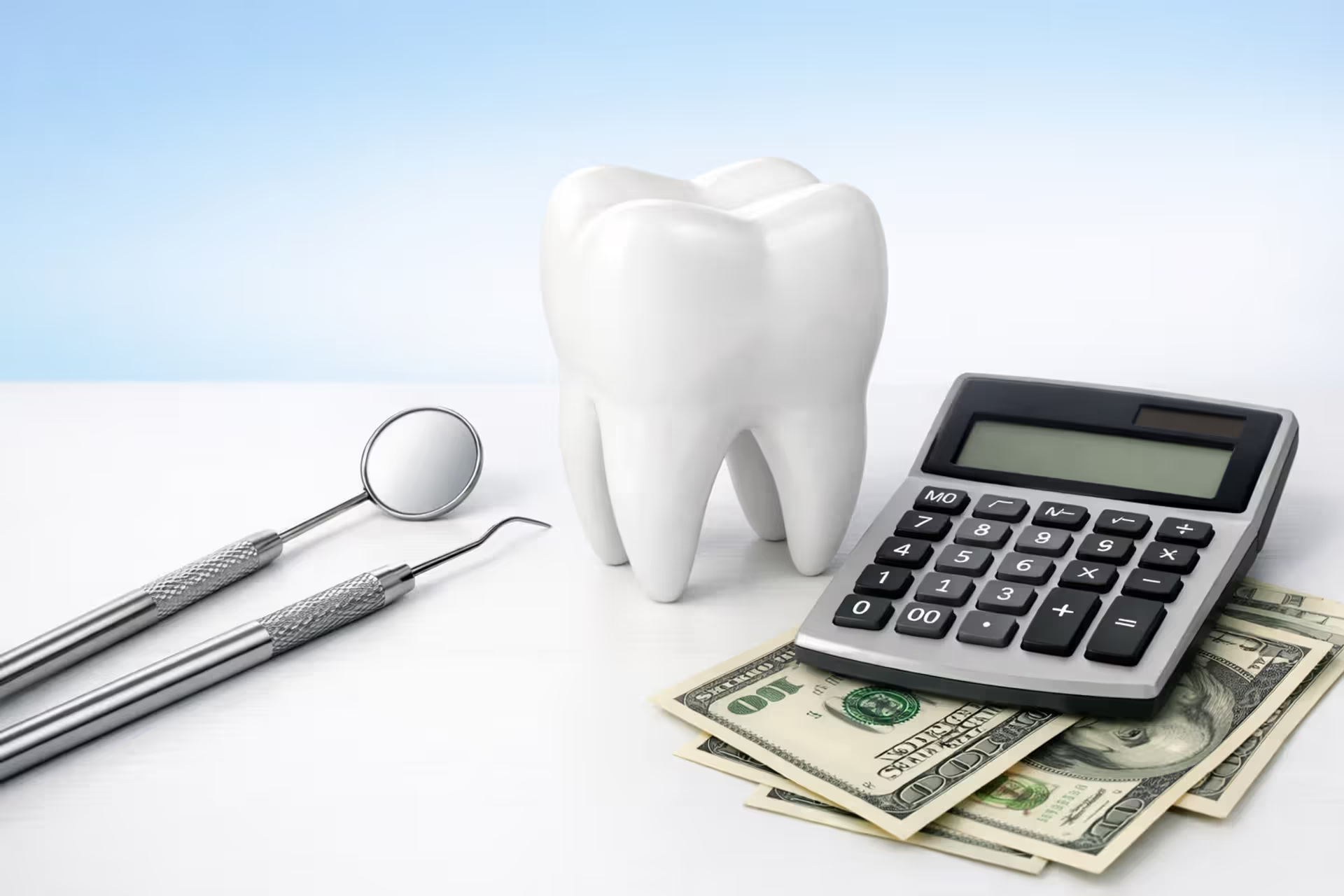
Dental tools, tooth model, calculator and dollar bills on a clean desk representing dental insurance costs
How Much Is Dental Insurance in the US?

Content
Content
Dental insurance premiums vary widely across the United States, but most Americans pay between $20 and $60 per month for individual coverage. Understanding these costs—and what drives them—helps you decide whether a policy makes financial sense for your situation.
Average Cost of Dental Insurance Plans
Monthly premiums depend heavily on whether you're buying coverage for yourself, your family, or receiving it through an employer.
Individual dental insurance purchased directly from carriers typically costs $30 to $50 per month. These plans often come with annual maximums between $1,000 and $2,000, meaning the insurer won't pay more than that amount in a calendar year regardless of your dental needs.
Family plans covering a spouse and children range from $100 to $200 monthly. The exact price depends on the number of dependents and the coverage tier you select. A family of four in Texas might pay $130 per month for a mid-tier PPO, while the same coverage in New York could reach $175.
Employer-sponsored dental insurance is significantly cheaper because companies subsidize premiums. Employees usually pay $15 to $35 monthly for individual coverage and $50 to $100 for family plans. The employer covers the remainder, making workplace benefits the most cost-effective option for most people.
Marketplace plans purchased through state or federal exchanges fall somewhere between direct-purchase and employer rates. Expect to pay $35 to $65 monthly for individual coverage, with family plans ranging from $120 to $180. Unlike medical insurance, dental plans rarely qualify for premium subsidies, so you'll pay the full sticker price.
| Plan Type | Average Monthly Premium | Typical Annual Maximum |
| Individual PPO | $40–$55 | $1,000–$1,500 |
| Individual HMO | $20–$35 | $1,000 |
| Family PPO | $130–$180 | $1,500–$2,000 per person |
| Family HMO | $90–$140 | $1,000 per person |
| Employer-sponsored (individual) | $15–$35 | $1,500–$2,000 |
What Affects Dental Insurance Costs
Geographic location creates substantial price differences. Dental insurance in rural Montana costs less than in San Francisco because provider fees and cost of living vary. A PPO plan that costs $35 monthly in Alabama might run $65 in Massachusetts for identical coverage.
Age influences premiums less dramatically than with medical insurance, but older adults often pay 10-20% more than younger enrollees. A 60-year-old might pay $48 monthly for a plan that costs a 30-year-old $42.
Plan type determines both premium and flexibility. PPOs cost more but let you visit any dentist. HMOs charge lower premiums but restrict you to network providers. Discount plans—not technically insurance—charge $100 to $200 annually for negotiated fee reductions but provide no coverage.
Coverage level directly impacts price. Basic plans covering only preventive care (cleanings, exams, X-rays) cost $20 to $30 monthly. Comprehensive plans including major services like crowns and bridges run $45 to $65. The broader the coverage, the higher the premium.
Network size matters more than many people realize. Plans with large provider networks cost more because they contract with more dentists and negotiate higher reimbursement rates. A plan with 500 in-network dentists in your metro area might cost $10 more monthly than one with 150 providers.
Deductibles inversely affect premiums. A plan with a $50 annual deductible typically costs $40 to $50 monthly, while one with a $100 deductible might drop to $30 to $40. You're essentially prepaying versus accepting more upfront cost when you need care.

Author: Olivia Davenport;
Source: ladylesliebelize.com
Types of Dental Insurance and Their Pricing
PPO Plans
Preferred Provider Organization plans dominate the individual market. Monthly premiums average $40 to $55 for individuals and $130 to $180 for families. You can visit any dentist, but staying in-network saves money because contracted providers accept negotiated fees as payment in full after insurance pays its portion.
PPOs typically cover preventive care at 100%, basic procedures like fillings at 80%, and major work such as crowns at 50%. Annual maximums usually cap at $1,500, though some premium plans offer $2,000 or $2,500 limits.
The flexibility costs more, but it's worthwhile if you have an established dentist you trust or live in an area with limited HMO networks.
HMO Plans
Dental Health Maintenance Organizations charge $20 to $35 monthly for individuals and $90 to $140 for families. The trade-off: you must choose a primary dentist from the network and get referrals for specialists.
HMOs use capitation, paying dentists a fixed monthly amount per enrolled patient regardless of services provided. This keeps premiums low but can create incentives for dentists to minimize treatment. Choose an HMO dentist carefully—read reviews and visit the office before enrolling.
Coverage percentages often mirror PPOs, but lower premiums mean you're accepting less choice in exchange for affordability.
Discount Dental Plans
Not insurance at all, these membership programs charge $100 to $200 annually and provide access to negotiated fee schedules. You pay the discounted rate out of pocket—typically 10-60% off standard fees.
Discount plans make sense if you need extensive work and have cash to pay upfront. A crown that costs $1,200 normally might run $750 through a discount plan. But you get no coverage, just reduced prices.
Indemnity Plans
Traditional indemnity insurance lets you visit any dentist and submit claims for reimbursement. These plans are rare now, usually costing $50 to $75 monthly with high deductibles ($100-$200) and coinsurance that leaves you paying 20-50% of every bill.
Most people find PPOs offer similar flexibility at lower cost, making indemnity plans obsolete except in niche situations.
What Dental Insurance Covers and How It Works
The 100-80-50 rule governs most dental plans. Preventive services receive 100% coverage: two cleanings yearly, routine exams, and necessary X-rays cost you nothing beyond your premium.
Basic procedures get 80% coverage after you meet your deductible. Fillings, simple extractions, and periodontal maintenance fall here. If your filling costs $200 and you've met your $50 deductible, you pay $40 (20% of $200).
Major services receive 50% coverage. Crowns, bridges, dentures, root canals, and oral surgery split costs with you. A $1,200 crown means you pay $600 plus any remaining deductible.
Annual maximums cap insurer liability at $1,000 to $2,000 per year. Once the insurance company pays that amount, you're responsible for 100% of additional costs until the next calendar year. This limitation surprises many people who assume "insurance" means comprehensive protection.
Waiting periods delay coverage for basic and major services. Most plans cover preventive care immediately but make you wait 3-6 months for fillings and 6-12 months for crowns or bridges. If you need a crown next month, buying insurance today won't help.
Most Americans underestimate their annual dental costs. A single root canal can cost $1,500 without insurance, which is more than a year's worth of premiums for many plans
— Dr. Sarah Mitchell
Out-of-Pocket Costs Beyond Premiums
Deductibles apply before coverage kicks in for basic and major services. Most plans charge $50 to $100 annually per person. Family plans often include aggregate deductibles—once the family collectively pays $150, coverage begins for everyone.
Copays appear on some HMO plans as fixed fees per visit: $10 for a cleaning, $25 for a filling. These replace percentage-based coinsurance, making costs more predictable.
Coinsurance is your share after the deductible. At 20% for basic services and 50% for major work, a $3,000 bridge means you pay $1,500 plus your deductible. If you've already hit your $1,500 annual maximum, you pay the full $3,000.
Annual maximums create the biggest surprise. That $1,500 cap sounds reasonable until you need $4,000 in dental work. The insurance pays $1,500, leaving you with $2,500 out of pocket despite paying premiums all year.
Out-of-network fees add 20-40% to costs on PPO plans. Your dentist charges $800 for a crown, but your plan's "usual and customary" rate is $600. The plan pays 50% of $600 ($300), and you owe $500—not the $300 you expected.

Author: Olivia Davenport;
Source: ladylesliebelize.com
Is Dental Insurance Worth the Cost
The math works differently for everyone. Someone paying $40 monthly ($480 yearly) who gets two cleanings ($200 value) and one filling ($200 after insurance discount) breaks even. Add a crown, and insurance saves money.
A person with healthy teeth who visits the dentist only for preventive care loses money on insurance. Two cleanings cost $200-$300 out of pocket but $480-$600 in annual premiums. Paying cash makes more sense.
Frequent dental needs—gum disease, multiple cavities, old fillings failing—justify insurance. If you anticipate $1,500+ in annual dental work, a $500 premium pays for itself even accounting for deductibles and coinsurance.
The annual maximum limitation frustrates people needing extensive work. Paying $600 yearly in premiums for a plan that caps benefits at $1,500 feels wasteful when you need $5,000 in treatment. You're still paying $4,100 out of pocket.
Alternatives include Health Savings Accounts paired with high-deductible medical plans. You can use HSA funds tax-free for dental expenses, effectively getting a 20-30% discount depending on your tax bracket. Dental schools offer care at 30-50% discounts, though appointments take longer. Dental tourism to Mexico or Costa Rica saves 50-70% on major work, but requires travel and carries quality risks.
Author: Olivia Davenport;
Source: ladylesliebelize.com
How to Find Affordable Dental Insurance
Employer plans beat individual coverage on price and benefits. If your workplace offers dental insurance, enroll—even if you pay the full employee premium, it's cheaper than buying directly.
Marketplace shopping requires comparing at least three quotes. Insurers price identical coverage differently, and a 10-minute comparison can save $15-$25 monthly. Use your state's exchange or private comparison sites, entering your ZIP code and household size for accurate quotes.
Professional associations often negotiate group rates for members. The Freelancers Union, AARP, and industry groups offer dental plans at 10-20% below individual market prices. Annual membership fees ($50-$100) offset some savings, but you gain other benefits too.
Compare quotes from major carriers—Delta Dental, MetLife, Cigna, Humana—and regional insurers. National carriers have larger networks; regional ones sometimes offer better pricing in specific markets.
Check provider networks before buying. A plan costing $10 less monthly isn't a bargain if your dentist isn't in-network and you'll pay 40% more per visit.
Consider timing enrollment around anticipated needs. If you know you'll need a crown next year, enroll now to satisfy waiting periods. But don't buy insurance for immediate major work—waiting periods prevent that strategy.
Dental savings plans work well for people who pay out of pocket. The $150 annual fee provides 20-40% discounts on all services with no deductibles, maximums, or waiting periods. You need cash for treatment, but you avoid insurance complexity.

Author: Olivia Davenport;
Source: ladylesliebelize.com
Frequently Asked Questions
Dental insurance costs $20-$60 monthly for individuals and $90-$200 for families, with employer-sponsored coverage offering the best value. Whether insurance makes financial sense depends on your dental health, anticipated treatment needs, and access to employer benefits.
People with healthy teeth who visit the dentist only for cleanings often save money by paying out of pocket. Those facing ongoing dental issues or expensive procedures benefit from insurance despite deductibles, coinsurance, and annual maximums.
The key is honest assessment of your situation. Review your dental history from the past three years, estimate next year's needs, and run the numbers. Factor in waiting periods if you're buying new coverage, and remember that annual maximums limit protection for extensive work.
Employer plans deserve serious consideration even if you're generally healthy—subsidized premiums and better annual maximums provide value that's hard to replicate in the individual market. If you're self-employed or your employer doesn't offer coverage, shop carefully across multiple carriers and consider whether a dental savings plan might serve you better than traditional insurance.
Related Stories
Read more
Read more

The content on this website is provided for general informational and educational purposes only. It is intended to offer guidance on dental insurance topics, including coverage options, premiums, deductibles, waiting periods, annual maximums, claims processes, and procedures that may be covered by insurance such as implants, braces, crowns, dentures, and preventive care. The information presented should not be considered medical, dental, financial, or professional insurance advice.
All articles and explanations published on this website are for informational purposes only. Dental insurance policies may vary between providers, and details such as coverage limits, exclusions, reimbursement rates, waiting periods, and eligibility requirements can differ depending on the insurer, plan, and individual circumstances.
While we strive to keep the information accurate and up to date, this website makes no guarantees regarding the completeness or reliability of the content. Use of this website does not create a professional relationship. Visitors should review official policy documents and consult with licensed dental or insurance professionals before making decisions regarding dental care or insurance coverage.