

Senior couple consulting with insurance advisor about Medicare dental coverage options in a bright office
Dental Insurance Medicare Advantage Plans Guide

Original Medicare—Parts A and B—covers hospital stays and doctor visits, but leaves a significant gap: routine dental care. No cleanings, no fillings, no crowns. For the 65 million Americans enrolled in Medicare, that omission creates a real problem. Tooth decay and gum disease don't pause at retirement, and out-of-pocket dental bills can quickly exceed thousands of dollars.
Medicare Advantage plans, also called Part C, offer a different approach. Private insurers approved by Medicare bundle hospital and medical coverage with extras that Original Medicare skips—often including dental, vision, and hearing benefits. Roughly half of all Medicare beneficiaries now choose Advantage plans, and dental coverage ranks among the top reasons why.
Understanding how dental benefits work within these plans, what they actually cover, and how to choose wisely can save both money and teeth.
How Dental Coverage Works with Medicare Advantage
Original Medicare provides zero routine dental coverage. It will pay for medically necessary dental procedures tied to covered services—jaw reconstruction after an accident, tooth extractions before radiation for oral cancer—but not the everyday care most seniors need.
Medicare Advantage plans operate under contract with the federal government. Insurers must cover everything Original Medicare does, then may add supplemental benefits. Dental coverage falls into this optional category. Most Advantage plans in 2026 include some level of dental benefits, but "some level" varies dramatically.
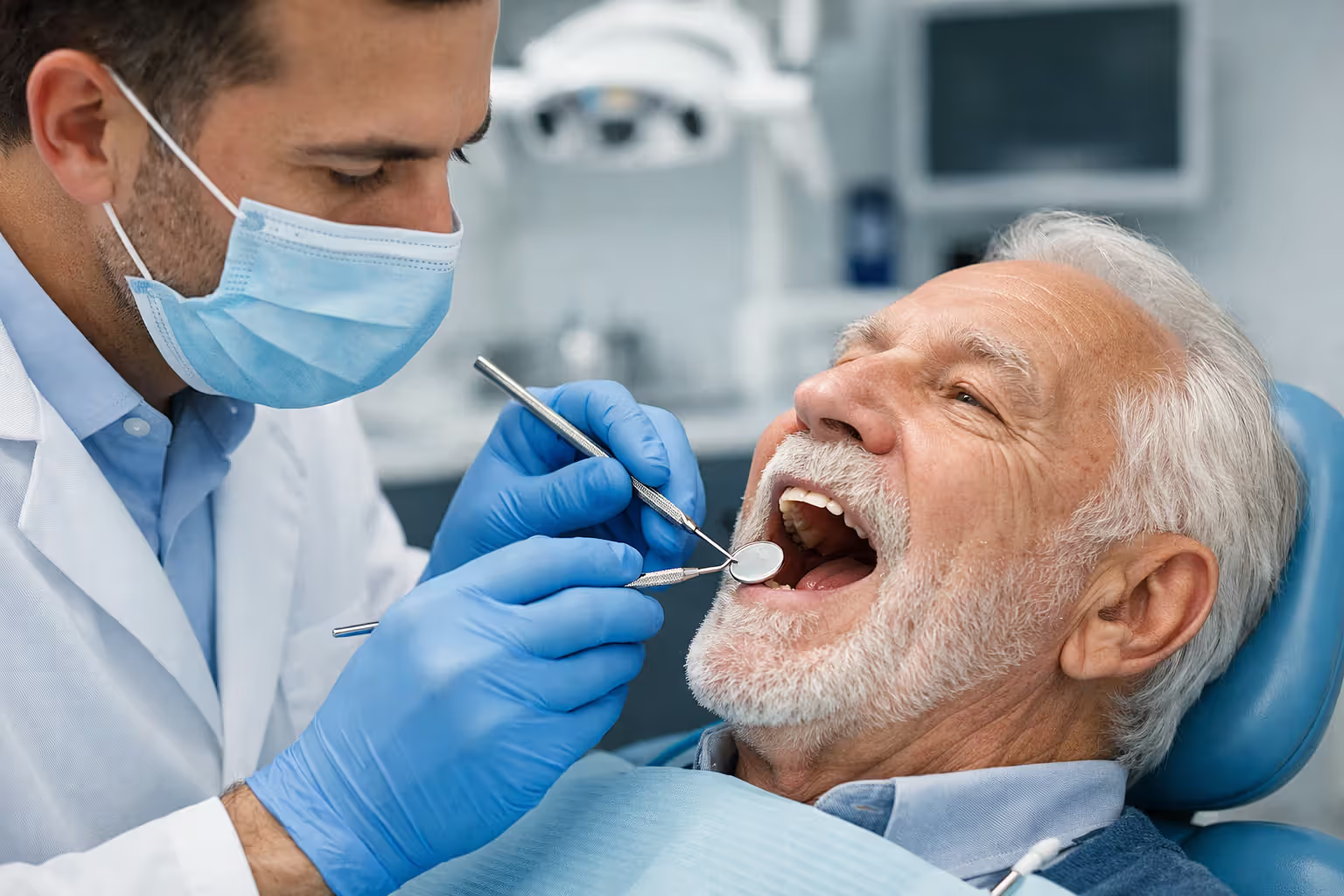
A typical MA plan with dental might cover two cleanings per year, annual X-rays, and exams at no extra cost beyond your plan premium. Basic services like fillings or simple extractions often require cost-sharing—you might pay 20% to 50% after meeting any deductible. Major services such as crowns, bridges, or dentures usually come with higher costing percentages and annual dollar caps.
Author: Tyler Grant;
Source: ladylesliebelize.com
The catch: not every Medicare Advantage plan includes dental. Some bare-bones plans focus solely on medical coverage to keep premiums low. Others offer robust dental packages that rival standalone insurance. You're trading the flexibility of Original Medicare (see any provider accepting Medicare) for a managed-care model with networks, referral rules, and bundled perks.
One common mistake: assuming all MA plans cover dental equally. A $0-premium plan in Florida might offer $1,000 in annual dental benefits, while a competitor charges $40 monthly and provides $3,000 in coverage with lower copays. Geography matters, too—insurers design benefits county by county based on local costs and competition.
What Dental Services Medicare Advantage Plans Cover
Most Medicare Advantage dental benefits fall into three tiers: preventive, basic, and major. Preventive care typically includes cleanings, exams, fluoride treatments, and diagnostic X-rays. Plans often cover these at 100% with no copay, though some impose limits—two cleanings per year, one set of bitewing X-rays every 12 months.
Basic services encompass fillings, simple extractions, periodontal maintenance, and sometimes root canals. Cost-sharing jumps here. Expect to pay 20% to 50% of the negotiated rate after any deductible. A filling might cost you $40 to $80 out-of-pocket depending on the plan and the dentist's contracted fee.
Major services—crowns, bridges, dentures, implants—carry the highest cost-sharing and often hit annual maximums quickly. A crown could run $800 retail; your plan might cover 50%, leaving you with a $400 bill. If your annual maximum is $1,500 and you need two crowns, you'll exhaust your benefit and pay the rest yourself.
Annual maximums represent the total dollar amount a plan will pay for all dental services in a calendar year. In 2026, typical MA dental maximums range from $1,000 to $3,000. Once you hit that cap, you're responsible for 100% of additional costs until the next January 1st.
Waiting periods complicate matters. Some plans require you to be enrolled six to twelve months before covering major services. If you join in March and need a bridge in June, you might pay full freight.
Does Medicare Advantage Cover Dental Implants?
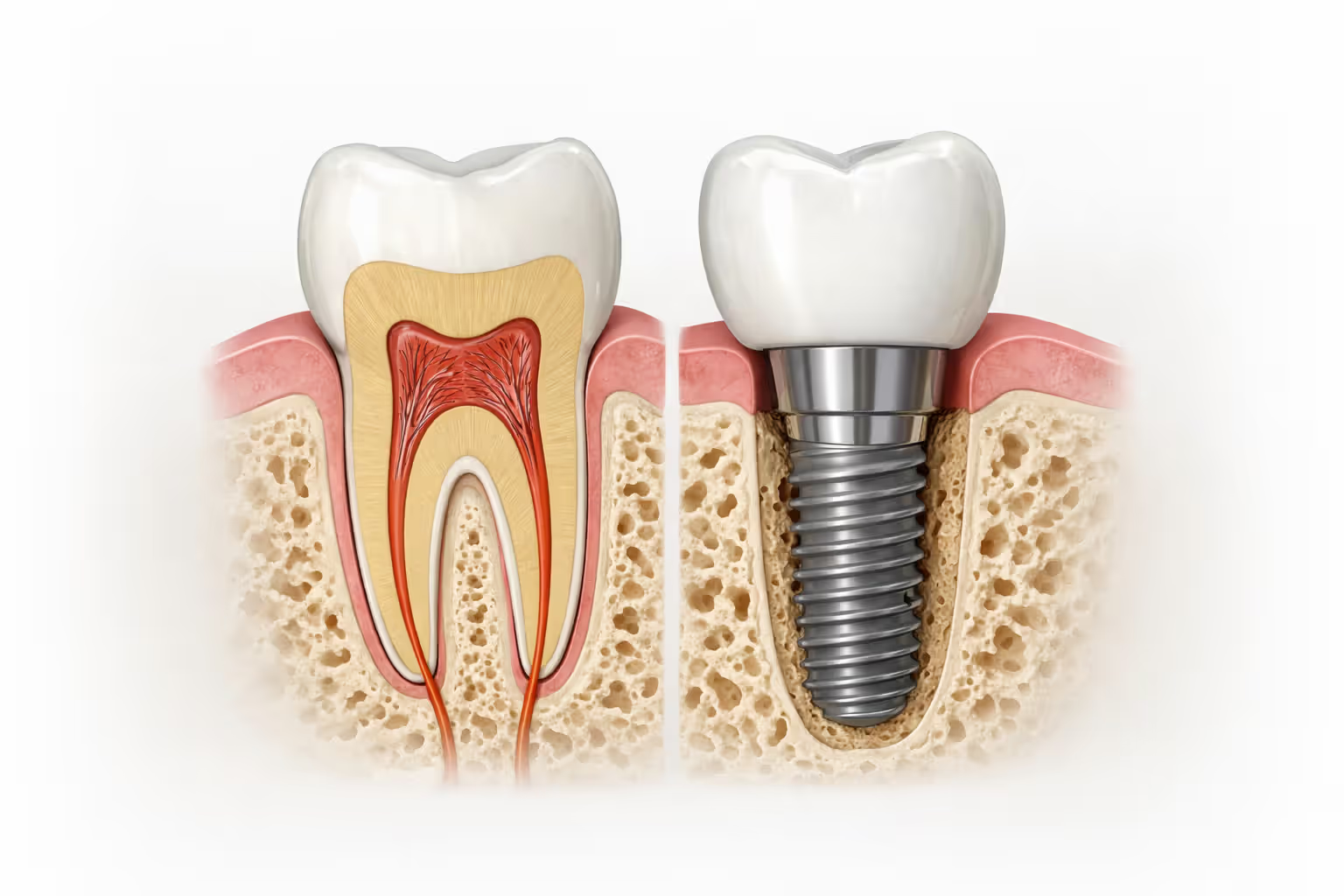
Implants occupy a gray zone. Many Medicare Advantage plans classify them as cosmetic or exclude them outright. Others cover implants under major services but apply steep cost-sharing and count them toward your annual maximum.
A single implant can cost $3,000 to $5,000. If your plan covers 50% and caps benefits at $2,000 annually, you'll still face a substantial bill. A handful of higher-premium MA plans in 2026 offer enhanced dental riders specifically covering implants, but expect to pay $50 to $100 extra per month for that privilege.
Author: Tyler Grant;
Source: ladylesliebelize.com
Before enrolling, review the plan's Evidence of Coverage document. Look for the dental benefits chart and check whether implants appear under covered services or exclusions. Call the insurer if the language is vague—"may cover" often means "probably won't."
Preventive vs. Major Dental Procedures
The line between preventive and major care determines your out-of-pocket costs. Preventive services keep problems from developing; major services fix damage already done. Plans incentivize prevention by covering it generously and making major work expensive.
A patient who skips cleanings for five years might face periodontal disease requiring deep scaling, grafts, or extractions—all basic or major services with significant copays. Regular preventive visits catch decay early when a $50 filling solves the problem, not a $1,200 crown later.
Some plans reward consistent preventive care by waiving deductibles on basic services after two years of continuous enrollment and regular checkups. Others increase your annual maximum if you maintain good oral health. These carrots nudge behavior but aren't universal—read your plan details.
How to Get Dental Insurance Through Medicare
You have three main paths to dental coverage as a Medicare beneficiary: enroll in a Medicare Advantage plan that includes dental, buy a standalone dental insurance policy, or pay out-of-pocket and skip insurance altogether.
Enrolling in Medicare Advantage with dental: When you first become eligible for Medicare (typically at 65), you have a seven-month Initial Enrollment Period to choose Original Medicare or an Advantage plan. During this window, you can pick any MA plan available in your county, and insurers can't deny you or charge more for pre-existing conditions.
Compare plans using Medicare.gov's Plan Finder tool. Enter your ZIP code, medications, and preferred doctors. Filter results by dental coverage and review the benefits summary for each plan. Pay attention to:
- Monthly premium (many MA plans charge $0, but dental-rich plans often cost $30–$80)
- Dental annual maximum
- Cost-sharing percentages for basic and major services
- In-network dentist availability
- Waiting periods
Once enrolled, your dental benefits activate on the plan's effective date—usually the first of the month.
Annual Enrollment Period: Every year from October 15 to December 7, you can switch Medicare Advantage plans or move back to Original Medicare. If your current plan's dental coverage disappoints or your dentist leaves the network, this is your chance to change. New coverage starts January 1st.
Standalone dental plans: These policies aren't part of Medicare but are sold by private insurers to Medicare beneficiaries. You keep Original Medicare for medical care and buy separate dental insurance. Premiums range from $20 to $60 monthly, with annual maximums similar to MA dental benefits ($1,000–$2,500).
Standalone plans often impose waiting periods—six months for basic services, 12 months for major work. If you need a crown soon, you'll wait a year or pay cash. MA plans with dental typically have shorter or no waiting periods for current enrollees.
Medicare doesn't sell or endorse standalone dental insurance. You're buying from a private company with no federal protections beyond state insurance regulations. Compare carefully and check the insurer's financial ratings.
Dental and Vision Insurance Options for Medicare Beneficiaries
Many Medicare Advantage plans bundle dental and vision benefits into a single package. You get two cleanings, an eye exam, and an allowance toward glasses—all included in your monthly premium. This convenience appeals to seniors who want one card, one customer service number, and predictable costs.

Author: Tyler Grant;
Source: ladylesliebelize.com
Bundled benefits work well if the plan's networks include your preferred dentist and optometrist. If your longtime dentist doesn't accept the plan's dental network, you'll pay out-of-network rates (often 100% out-of-pocket) or switch providers.
Some beneficiaries prefer separating dental and vision coverage. They'll choose a Medicare Advantage plan with strong medical and prescription drug benefits but minimal dental, then buy standalone dental and vision policies tailored to their needs. This approach offers flexibility but adds complexity—multiple premiums, ID cards, and claims processes.
Cost comparison example: A Medicare Advantage plan with robust dental and vision might charge $50 monthly. Alternatively, a $0-premium MA plan plus a $30 standalone dental policy and $15 standalone vision policy totals $45. The standalone route saves $5 monthly but requires managing two extra policies.
Trade-offs matter. Bundled plans simplify administration but lock you into their networks. Standalone policies offer choice but complicate coordination. If you rarely need vision care beyond an annual exam, a bundled plan's included benefit might suffice. If you have glaucoma requiring frequent specialist visits, a dedicated vision plan with better coverage makes sense.
Dental Insurance Considerations for Retirees on Medicare

Author: Tyler Grant;
Source: ladylesliebelize.com
Retirees face unique dental insurance challenges. Many lose employer-sponsored dental coverage at retirement, forcing them to find replacement insurance right when dental needs often increase. Others retain retiree dental benefits but must coordinate them with Medicare.
Employer retiree coverage: Some employers offer retiree health benefits that include dental. This coverage is usually secondary to Medicare, meaning Medicare (or your MA plan) pays first, then your retiree plan covers remaining costs. Coordination of benefits rules determine payment order.
If your retiree dental plan is generous—high annual maximum, low copays—it might outperform typical Medicare Advantage dental benefits. Compare the retiree plan's costs and coverage against available MA plans before dropping it to enroll in Medicare Advantage. Once you lose retiree coverage, you usually can't get it back.
Out-of-pocket expectations: Even with dental insurance, retirees should budget $500 to $1,500 annually for dental care. Insurance covers a portion, but copays, deductibles, and annual maximums leave gaps. Major procedures like implants or full dentures can exceed $10,000, far surpassing any plan's annual cap.
Building a dental emergency fund prevents tough choices between necessary care and financial strain. Seniors on fixed incomes sometimes delay treatment due to cost, leading to infections, pain, and more expensive interventions later.
Medicare Advantage vs. Medigap plus standalone dental: Medigap (Medicare Supplement) plans cover gaps in Original Medicare but don't include dental, vision, or hearing. You'd pair Medigap with a standalone dental policy. This combination offers broad provider choice—any dentist accepting your dental insurance—but typically costs more than Medicare Advantage.
A Medigap Plan G might run $150 monthly, plus $40 for standalone dental, totaling $190. A comparable Medicare Advantage plan with dental could cost $60. The $130 monthly savings add up, but you're trading open access for managed care. Frequent travelers or snowbirds who need flexibility across states often prefer Medigap; homebodies comfortable with networks lean toward Advantage plans.
Medicare Advantage Dental Benefits Comparison
| Coverage Type | Preventive Services | Basic Services | Major Services | Annual Maximum | Average Monthly Premium |
| Medicare Advantage with Dental | 2 cleanings, exams, X-rays (often 100% covered) | Fillings, extractions (20–50% coinsurance) | Crowns, bridges, dentures (40–50% coinsurance) | $1,000–$3,000 | $0–$80 (bundled with medical) |
| Standalone Dental Insurance | 2 cleanings, exams, X-rays (80–100% covered) | Fillings, extractions (50–80% covered after waiting period) | Crowns, bridges (50% covered after 12-month wait) | $1,000–$2,500 | $25–$60 (dental only) |
How to Compare and Choose a Medicare Advantage Dental Plan
Choosing a Medicare Advantage dental plan requires balancing cost, coverage, and convenience. Start with these factors:
Network dentists: Verify your current dentist participates in the plan's network. Call the dentist's office—don't rely solely on the insurer's online directory, which may be outdated. If you must switch dentists, research in-network options and read reviews before enrolling.
Annual maximum: Higher maximums provide more coverage but often come with higher premiums. If you need extensive work soon—multiple crowns, a bridge—a plan with a $2,500 or $3,000 maximum justifies the extra cost. If you only need preventive care, a $1,000 maximum suffices.
Waiting periods: Plans with no waiting periods let you access major services immediately. Those imposing 12-month waits save money only if you can delay treatment. Don't gamble with urgent dental needs.
Premium vs. out-of-pocket trade-off: A $0-premium plan with 50% coinsurance on major services might cost more overall than a $50-premium plan with 20% coinsurance if you need significant dental work. Run scenarios based on your expected care.
Star ratings: Medicare assigns quality ratings (1 to 5 stars) to Advantage plans based on customer satisfaction, care quality, and administrative performance. Higher-rated plans generally deliver better service, though ratings don't specifically measure dental network quality.
Comparison tools: Medicare.gov's Plan Finder remains the authoritative source. State Health Insurance Assistance Programs (SHIPs) offer free, unbiased counseling. Avoid insurance agents who push one carrier—independent brokers representing multiple insurers provide better options.
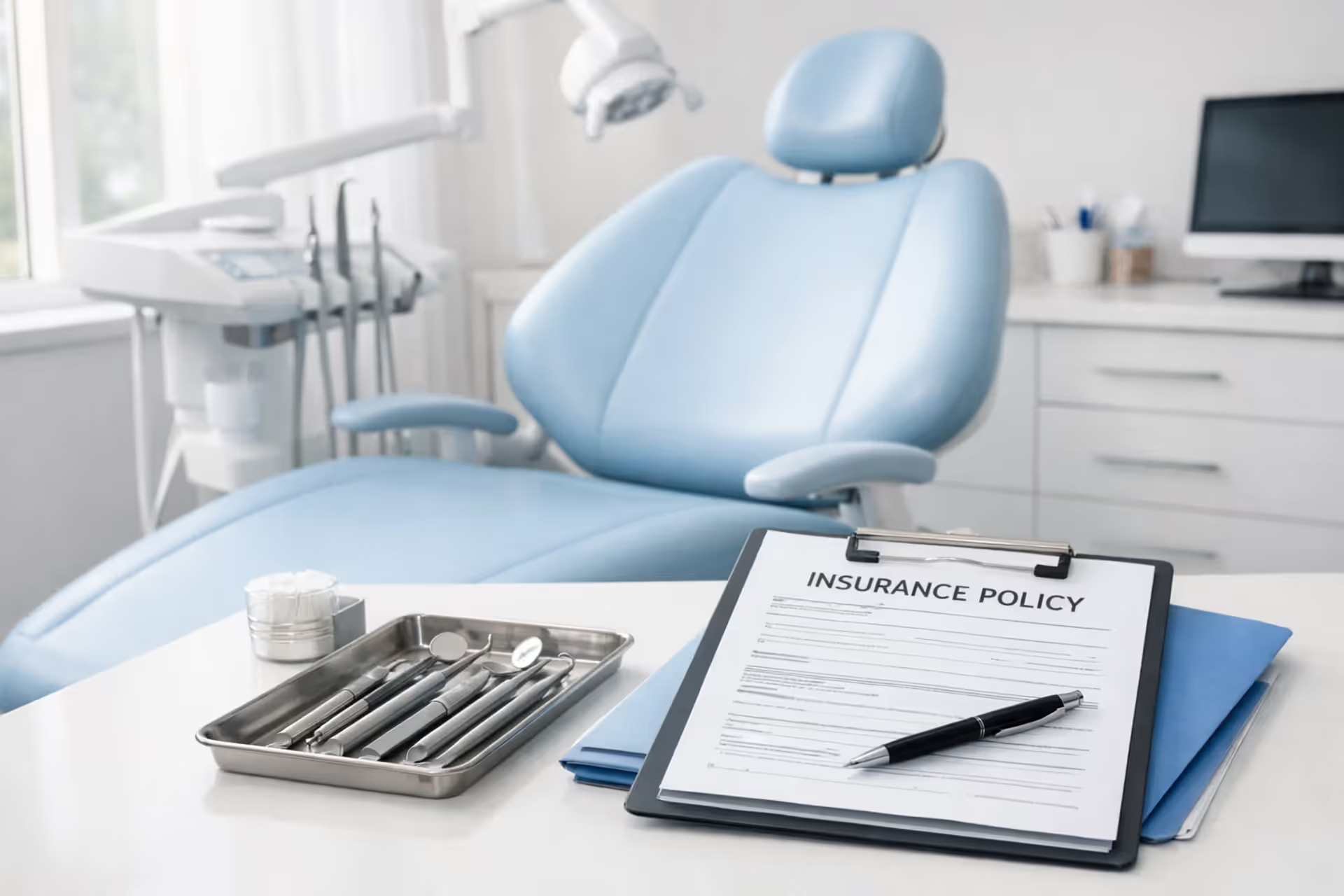
Review the Evidence of Coverage and Annual Notice of Change documents. These spell out exactly what's covered, excluded, and subject to prior authorization. A plan's marketing materials highlight benefits; the EOC reveals limitations.
Dental health directly impacts overall health for seniors—untreated gum disease correlates with heart disease, diabetes complications, and cognitive decline. Medicare Advantage plans that include comprehensive dental benefits help remove cost barriers to preventive care, which is far more effective and affordable than treating advanced decay or infection. Seniors should prioritize dental coverage as much as prescription drug coverage when choosing a plan
— Dr. Rachel Nguyen
Frequently Asked Questions About Medicare Dental Coverage
Dental insurance through Medicare Advantage plans offers a practical solution to a gap Original Medicare leaves wide open. The right plan depends on your current dental health, budget, and whether you value network flexibility or cost savings.
If you need major dental work soon—crowns, bridges, implants—seek a plan with a high annual maximum and short or no waiting periods, even if the premium is higher. The upfront cost pays off when the plan covers $2,000 of a $4,000 procedure instead of $500.
For seniors with good oral health who mainly need preventive care, a $0-premium Medicare Advantage plan with basic dental benefits handles routine cleanings and exams without adding to monthly expenses. Save the premium difference in a dedicated dental fund for future needs.
Don't overlook the dentist-network issue. A plan with generous benefits means little if no quality dentists nearby accept it. Verify participation before enrolling, and if you have complex dental needs, confirm the network includes specialists like periodontists or oral surgeons.
Retirees keeping employer dental coverage should compare it line-by-line against Medicare Advantage options. Sometimes retiree plans outperform MA dental; other times the opposite holds true. Coordination of benefits rules add complexity, so consult your HR benefits office.
Medicare's Annual Enrollment Period exists for a reason—your needs change, and so do plan offerings. Review your dental coverage every fall. If you exhausted your annual maximum, consider switching to a plan with higher limits. If you barely used your benefits, a lower-premium plan might suffice.
Dental care isn't optional for healthy aging. Tooth loss, gum disease, and oral infections diminish quality of life and complicate management of chronic conditions. Medicare Advantage dental benefits, while imperfect, provide a financial pathway to maintaining oral health that Original Medicare simply doesn't offer. Choose wisely, read the fine print, and don't let cost barriers prevent the preventive care that keeps small problems from becoming big ones.
Related Stories

Read more

Read more
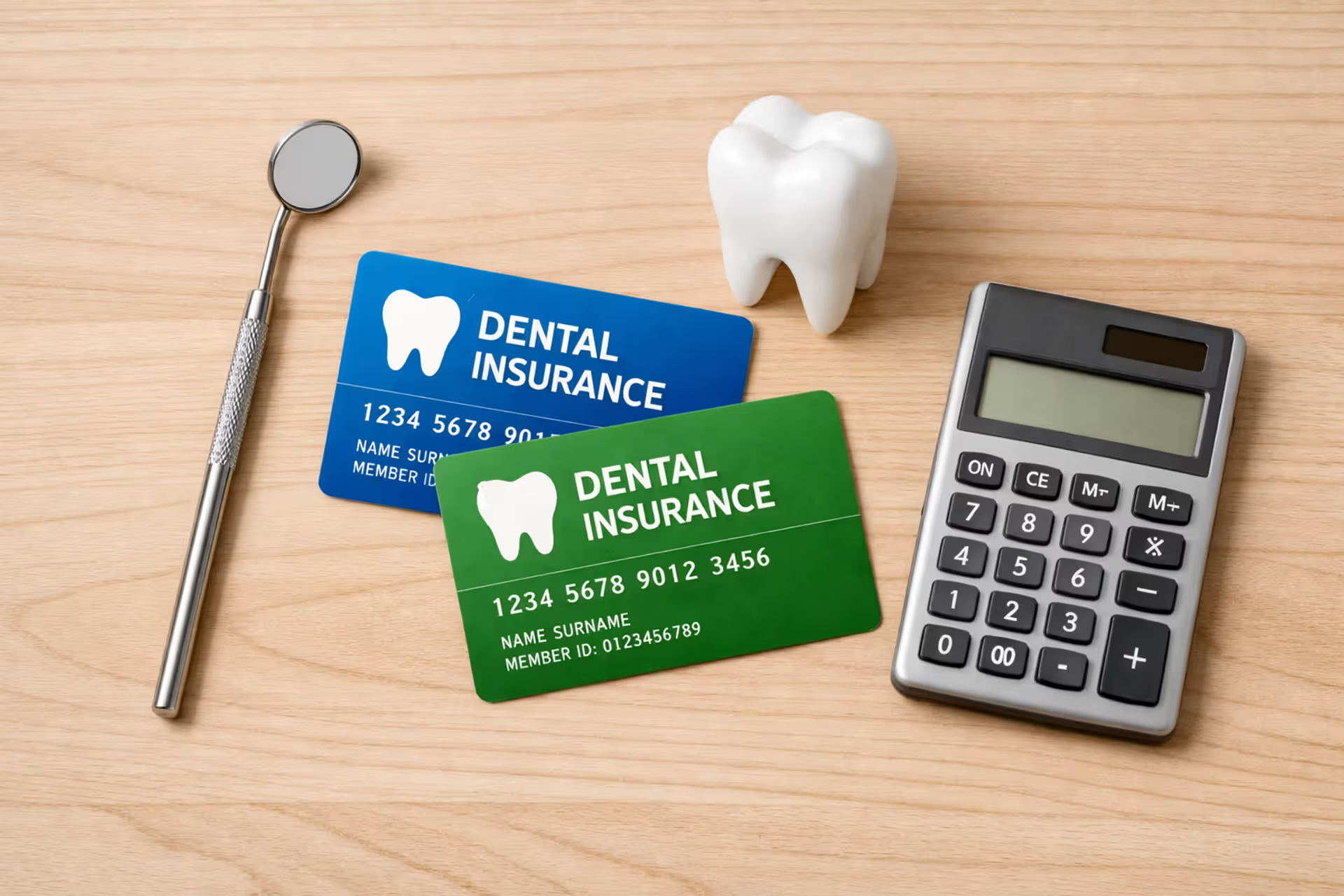


The content on this website is provided for general informational and educational purposes only. It is intended to offer guidance on dental insurance topics, including coverage options, premiums, deductibles, waiting periods, annual maximums, claims processes, and procedures that may be covered by insurance such as implants, braces, crowns, dentures, and preventive care. The information presented should not be considered medical, dental, financial, or professional insurance advice.
All articles and explanations published on this website are for informational purposes only. Dental insurance policies may vary between providers, and details such as coverage limits, exclusions, reimbursement rates, waiting periods, and eligibility requirements can differ depending on the insurer, plan, and individual circumstances.
While we strive to keep the information accurate and up to date, this website makes no guarantees regarding the completeness or reliability of the content. Use of this website does not create a professional relationship. Visitors should review official policy documents and consult with licensed dental or insurance professionals before making decisions regarding dental care or insurance coverage.