
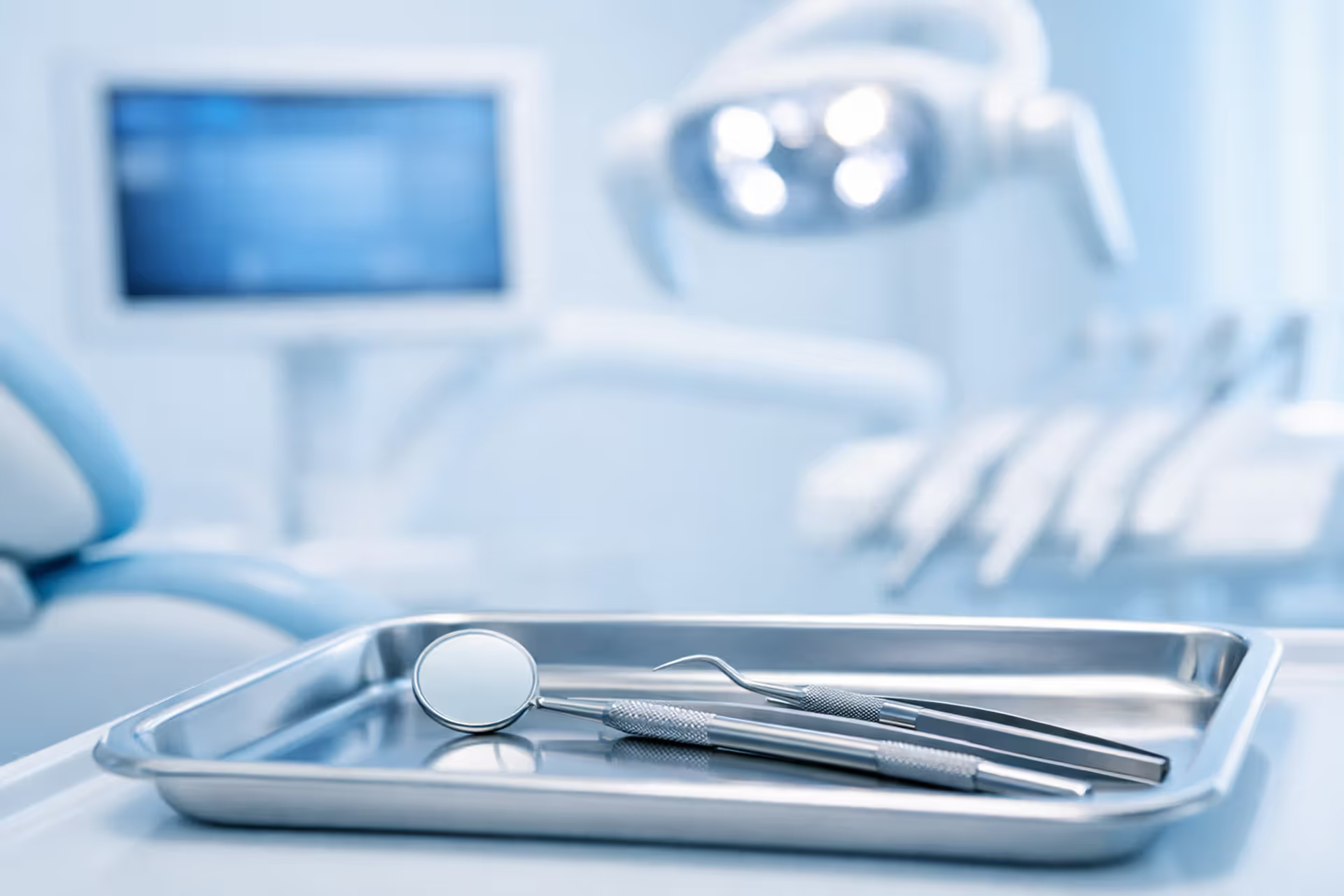
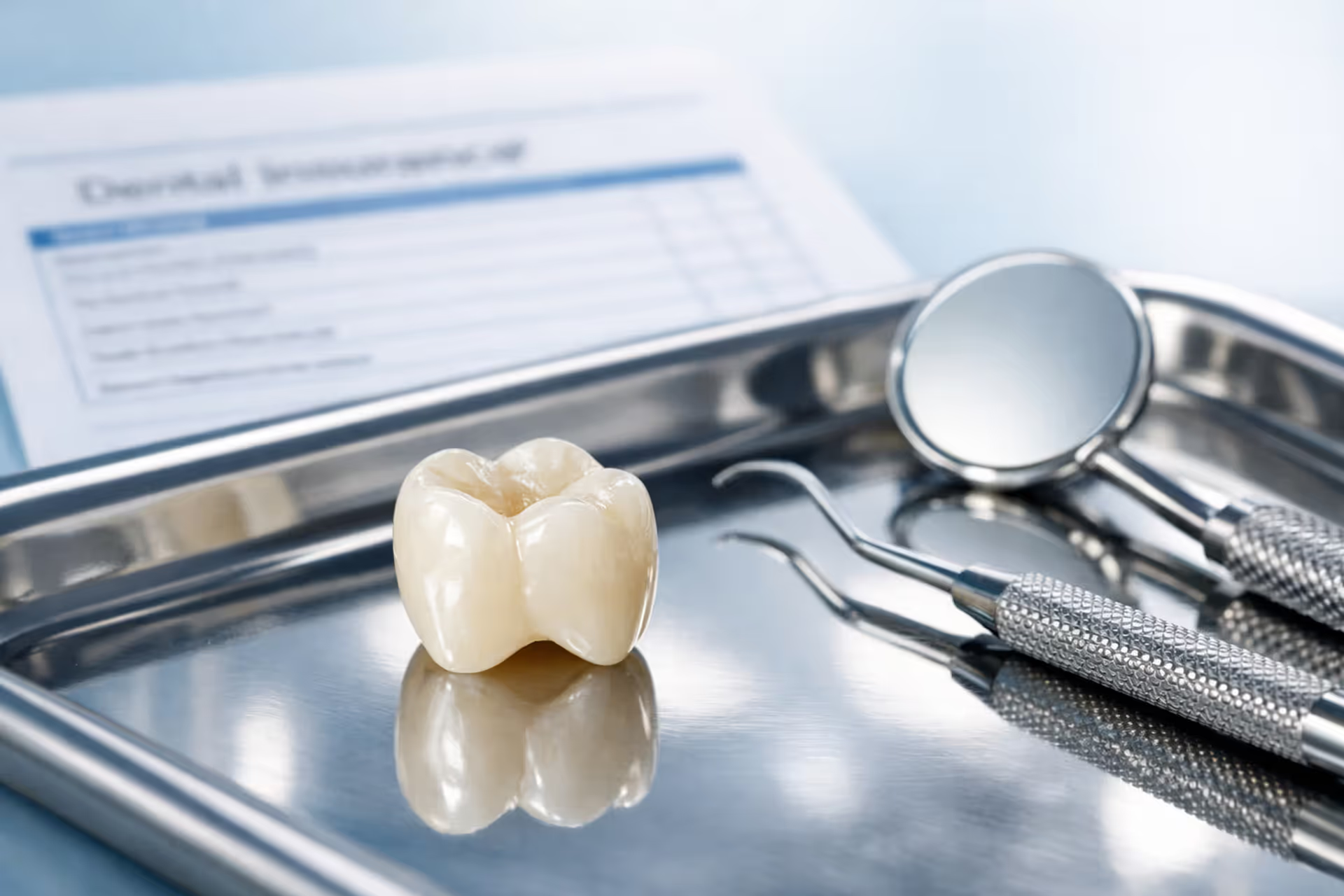
Modern dental office with a dental chair and a tray of clean dental instruments including a mirror, probe, and tweezers in a bright blue and white clinical setting
Dental Filling Cost Without Insurance Guide

Your dentist just told you that you need a filling. Now you're wondering what the damage will be to your wallet, especially since you're footing the bill yourself. Here's the thing: prices for the exact same cavity can swing wildly—from under $200 to over $500—depending on several factors you probably haven't considered yet. Where you live matters. The material matters. Even which specific tooth has the cavity can change what you'll pay.
Let's cut through the confusion and talk real numbers.
How Much Does a Dental Filling Cost Without Insurance?
You're looking at somewhere between $150 and $600 for a single filling when you're paying cash. I know—that's not exactly helpful when you're trying to budget. The actual number depends on whether you're getting a basic silver filling or opting for the tooth-colored version, plus how extensive the decay is.
A filling in Seattle or New York City? Expect to pay toward the higher end. Rural Alabama or Idaho? You'll probably land closer to the bottom of that range.
Average Costs by Filling Material
Let's break down what each type will actually run you.
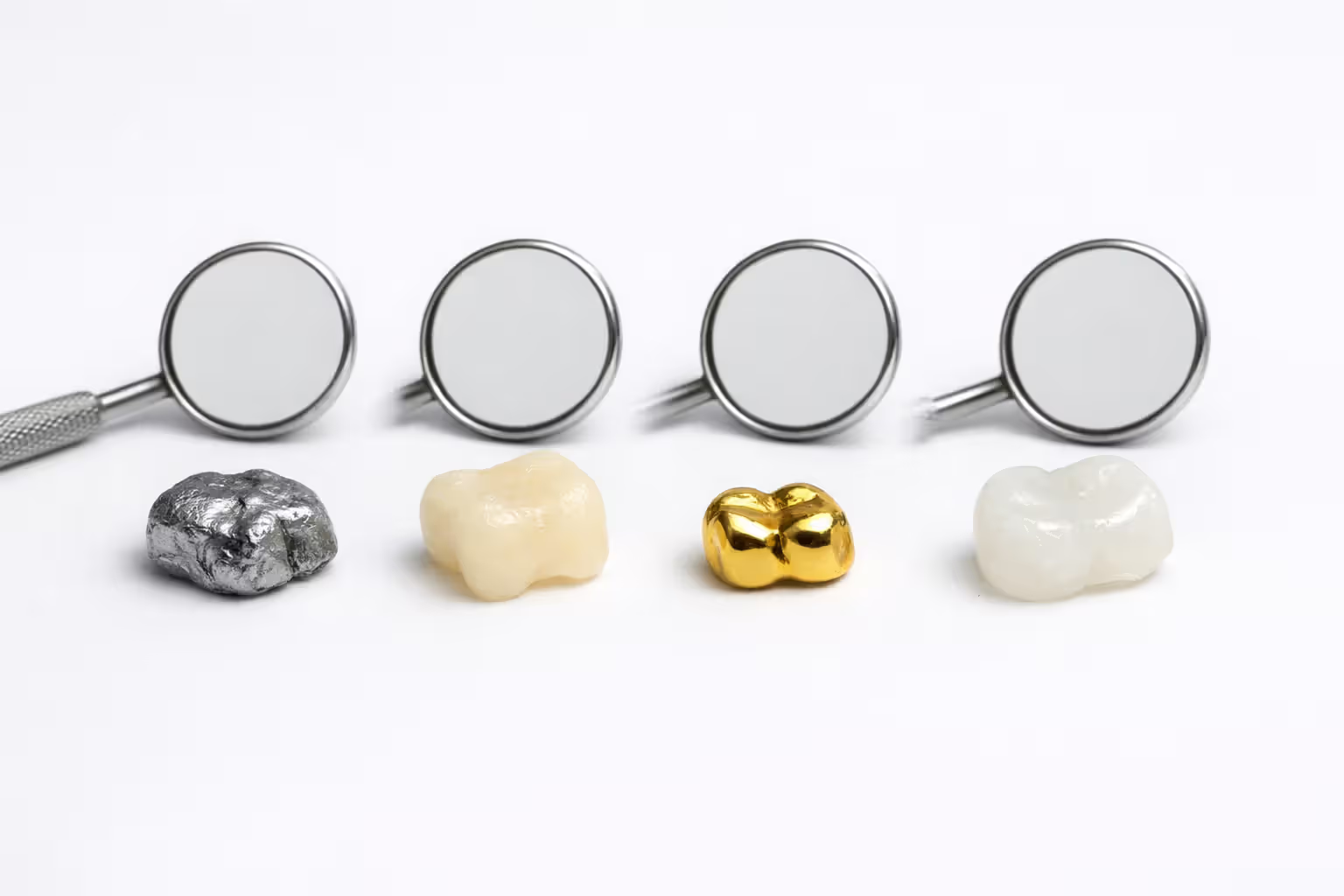
Amalgam (silver) fillings will set you back $150 to $250 for each tooth. These are the old-school metal fillings—they've been around since the 1800s, which tells you something about their track record. They'll last you a solid 10 to 15 years, sometimes longer. The downside? They're silver-gray and pretty obvious when you open your mouth. Not ideal for front teeth, but perfectly fine for molars that don't show.
Composite (tooth-colored) fillings cost $200 to $450 per tooth. These match your natural tooth color, which is why most people choose them for visible teeth. The material itself costs more, plus your dentist needs extra time to layer it properly. Think of it as paying for both function and aesthetics.
Gold fillings range from $400 all the way up to $1,000 per tooth. Yes, really. Not many people get these anymore, but they're built to last—we're talking 20+ years of reliable service. You're paying for precious metal content and the specialized lab work needed to craft each one custom.
Ceramic (porcelain) fillings typically cost $500 to $600 per tooth. These resist coffee and wine stains better than composite, and they look incredibly natural. The catch? They're more fragile and require extra care during placement. Most dentists save these for specific cases where appearance is critical.
Author: Ashley Whitford;
Source: ladylesliebelize.com
Cost Differences by Tooth Location
Your front teeth usually need simpler, one-surface fillings. Your back molars? Different story. Cavities in molars often spread across multiple surfaces—between teeth, on the chewing surface, you name it.
Each additional surface adds roughly $50 to $150 to your bill. So a three-surface composite filling in a back molar might run you $350 to $550, while a simple one-surface filling up front could be just $200 to $300.
Location matters for another reason: accessibility. Those back molars are harder to reach, trickier to work on, and take more time to fill correctly. Your dentist isn't charging extra to be difficult—it genuinely requires more skill and patience.
What Affects the Price of a Dental Filling?
Beyond the filling material itself, you've got several other factors driving the final price.
Dentist experience and credentials create price differences you'll notice immediately when calling around. A brand-new dentist fresh out of school might charge 20% to 30% less than someone who's been practicing for two decades. That doesn't automatically mean inferior work—younger dentists often have the latest training and techniques. They're just building their patient base.
Geographic location creates the biggest price gaps. That same composite filling costs $250 in Tulsa but $450 in Boston. Even within one city, you'll see 30% swings between neighborhoods. High rent districts mean higher dental fees.
Practice overhead matters more than you'd think. A dentist operating out of a modern building with the newest digital x-ray equipment and a full staff needs to charge differently than someone running a no-frills clinic. Neither approach is wrong—you're partially paying for the environment and technology.
Cavity complexity sneaks up on people. A tiny cavity spotted at your checkup needs less time, less material, and less expertise than a large cavity that's been quietly growing for two years. If decay creeps close to the nerve, your dentist might need to add a protective liner before filling, which bumps up the cost.
Number of tooth surfaces involved directly impacts your bill. Dentists categorize cavities by surface count: one-surface, two-surface, or three-surface. More surfaces mean more material, more time in the chair, and more intricate restoration work.
Other Common Dental Costs Without Insurance
Fillings aren't the only dental work you might need to budget for. Here's what you can expect to pay for other standard procedures:
| Procedure | Typical Price Range | Important Details |
| Dental Cleaning | $100 – $200 | Standard preventive cleaning; deep cleaning for gum disease runs $300 – $600 per quadrant |
| Dental Exam | $75 – $150 | Full comprehensive exam; problem-focused exams may cost less |
| Dental X-rays | $25 – $750 | Simple bitewings: $25 – $75; Complete mouth series: $150 – $350; Panoramic: $100 – $250; Advanced 3D imaging: $350 – $750 |
| Dental Crown | $800 – $2,500 | Porcelain crowns exceed metal crown costs; geographic area significantly impacts pricing |
| Emergency Visit | $100 – $300 | Emergency exam fee only; actual treatment billed separately |
| Root Canal | $700 – $1,800 | Front teeth fall on lower end; molars cost substantially more |
These numbers reflect 2026 national averages. Depending on where you live and which practice you choose, your actual costs might differ. Never agree to treatment without getting a written estimate first.
How to Pay for Dental Fillings Without Insurance
Missing insurance coverage doesn't leave you stuck. You've got several viable approaches to make treatment affordable.
Payment plans arranged directly through dental offices let you divide costs across multiple months. Plenty of practices offer zero-interest plans if you complete payment within 6 to 12 months. Here's the key: ask about this before your appointment. Some dentists post it on their website, but others only bring it up when patients specifically inquire.
Dental savings plans function completely differently than traditional insurance. You pay an annual membership fee—usually $100 to $200—and receive 10% to 60% discounts on dental work. These work great if you need several procedures within a year. No waiting periods, no annual maximums. The limitation? You must visit dentists who participate in that specific plan's network.
Dental schools deliver care at 30% to 50% below typical market rates. Students handle the actual work while experienced faculty members supervise every step. Appointments run longer because instructors verify each procedure, but the care quality generally matches private practices. Most metropolitan areas have at least one dental school operating a public clinic.
Community health centers structure their fees based on what you actually earn. Federally Qualified Health Centers must serve patients regardless of their ability to pay immediately. The Health Resources and Services Administration maintains a searchable directory of these centers nationwide.
Negotiating cash discounts can shave 10% to 20% off standard pricing. When you pay by cash or check, dentists avoid credit card processing fees—often 3% to 4% per transaction. Many willingly pass those savings along to patients. Try this exact phrase: "Do you offer a discount for paying in full today?" Worst case, they decline. Best case, you save a hundred dollars.
Medical credit cards such as CareCredit provide promotional financing specifically for healthcare expenses. Many feature 6 to 24 months interest-free if you clear the balance before the promotion expires. Watch out, though—miss that deadline and you'll owe interest retroactively on the entire original amount, often at rates exceeding 25%.

Author: Ashley Whitford;
Source: ladylesliebelize.com
When You Need Emergency Dental Care Without Insurance
Dental emergencies strike without warning or consideration for your bank balance. Knowing cost expectations helps you make smarter decisions when you're dealing with severe pain.
Emergency visit costs begin at $100 to $300 just for examination and diagnosis. That fee covers the dentist's time and expertise—not the actual treatment. Need an emergency filling? Add the standard filling cost on top of the emergency exam fee. Weekends or after-hours visits commonly cost 50% to 100% more than regular weekday appointments.
What qualifies as a true emergency? Severe, unrelenting pain qualifies. So does uncontrolled bleeding, facial swelling, or trauma that damages teeth. A lost filling or crown feels uncomfortable but usually can wait until normal business hours. When you're uncertain, call a dental office—most maintain after-hours answering services staffed by people who can advise you.
Finding affordable emergency services requires advance research, not frantic Googling while you're in agony. Identify dental schools, community health centers, and practices advertising emergency services in your area right now. Some cities run emergency dental clinics specifically designed for uninsured patients. Save these numbers in your phone before you need them.
Most hospital emergency rooms can't actually fix dental problems. They'll prescribe antibiotics or pain medication, then refer you to a dentist anyway. Unless you're dealing with facial swelling, breathing difficulty, or uncontrolled bleeding, you'll save money and time by heading straight to a dental provider.
Author: Ashley Whitford;
Source: ladylesliebelize.com
Ways to Reduce Your Out-of-Pocket Dental Costs
Strategic planning can slash your dental expenses substantially over the long haul.
Preventive care delivers the best return on investment, hands down. Two $150 cleanings per year cost dramatically less than the $1,500 root canal and crown you'll need if you skip checkups entirely. Catching cavities while they're small means simpler, cheaper fillings. Ignore a small cavity today, and you're practically guaranteeing yourself a root canal tomorrow.
Discount programs extend beyond general dental savings plans. Some large dental chains offer their own membership programs that work exclusively at their locations. Compare the annual fee against discounts on procedures you actually need, not hypothetical treatments.
Shopping around makes financial sense, especially for major procedures. Contact three to five offices requesting estimates for identical work. Be specific—mention the exact tooth and filling type so you're truly comparing apples to apples. Identical procedures can vary by hundreds of dollars between practices within the same zip code.
Timing treatments strategically matters when you need multiple procedures. Considering dental insurance? Get it before you need major work—most plans impose waiting periods for anything beyond emergencies. Approaching year-end with flexible spending account funds? Schedule treatment before those dollars evaporate.
Asking for itemized estimates before treatment gives you transparency into exactly what you're paying for. Request written breakdowns showing separate fees for each procedure. This clarity helps you catch billing errors and accurately compare costs between providers.
Uninsured patients should always feel comfortable discussing costs upfront. The majority of dentists prefer collaborating with you on payment solutions rather than watching you postpone necessary treatment. Small problems transform into expensive emergencies when patients delay care due to cost concerns
— Dr. Sarah Chen
Frequently Asked Questions About Dental Costs Without Insurance
Covering dental filling costs without insurance takes planning, but it's completely achievable. Understanding what drives costs helps you make informed decisions about materials, timing, and which provider to choose. A composite filling might cost $200 to $450, but catching that cavity early means you'll pay closer to the lower end and sidestep more expensive procedures down the road.
Taking action matters more than having perfect insurance coverage. Small cavities evolve into root canals. Root canals cost three to five times what fillings cost. Research your options now—dental schools, community clinics, payment plans, and savings plans all create pathways to affordable care.
Start by calling three dental offices in your area for price quotes on your specific needed procedure. Ask about payment options before scheduling your appointment. If quotes seem beyond your budget, contact your local dental society for referrals to low-cost providers or investigate dental schools within reasonable driving distance.
Most dentists genuinely want to help you maintain healthy teeth. The majority of practices prefer working with you on payment rather than watching you postpone necessary treatment. Be candid about your financial situation and ask what options they can offer. The conversation might feel awkward, but it beats dealing with a dental emergency later because you couldn't afford a filling when you first needed it.
Related Stories
Read more
Read more


The content on this website is provided for general informational and educational purposes only. It is intended to offer guidance on dental insurance topics, including coverage options, premiums, deductibles, waiting periods, annual maximums, claims processes, and procedures that may be covered by insurance such as implants, braces, crowns, dentures, and preventive care. The information presented should not be considered medical, dental, financial, or professional insurance advice.
All articles and explanations published on this website are for informational purposes only. Dental insurance policies may vary between providers, and details such as coverage limits, exclusions, reimbursement rates, waiting periods, and eligibility requirements can differ depending on the insurer, plan, and individual circumstances.
While we strive to keep the information accurate and up to date, this website makes no guarantees regarding the completeness or reliability of the content. Use of this website does not create a professional relationship. Visitors should review official policy documents and consult with licensed dental or insurance professionals before making decisions regarding dental care or insurance coverage.