
Journal About Dental Insurance Guide

Author: James Smith;
Source: ladylesliebelize.com
Welcome to Dental Insurance Guide — a resource designed to explain dental insurance in a clear and practical way. Our goal is to help readers understand how dental coverage works, what dental insurance typically covers, and how different plans affect the cost of dental care.
In our journal, we publish guides covering topics such as individual dental insurance, dental insurance with no waiting period, Medicare and Medicaid dental coverage, and dental insurance for adults, seniors, and self-employed individuals. We also explain important insurance concepts including deductibles, annual maximums, waiting periods, claims processing, and reimbursement policies.
Our articles explore common dental procedures and how insurance may apply to them, including implants, braces, crowns, dentures, root canals, wisdom teeth removal, dental bridges, and routine cleanings. We also explain how costs may vary with or without insurance and how coverage can differ between providers and plan types.
Read more

Top Stories

Read more

Read more

Read more

Read more
Trending

Read more
Read more


Latest articles














Most read
Read more

Read more



In depth
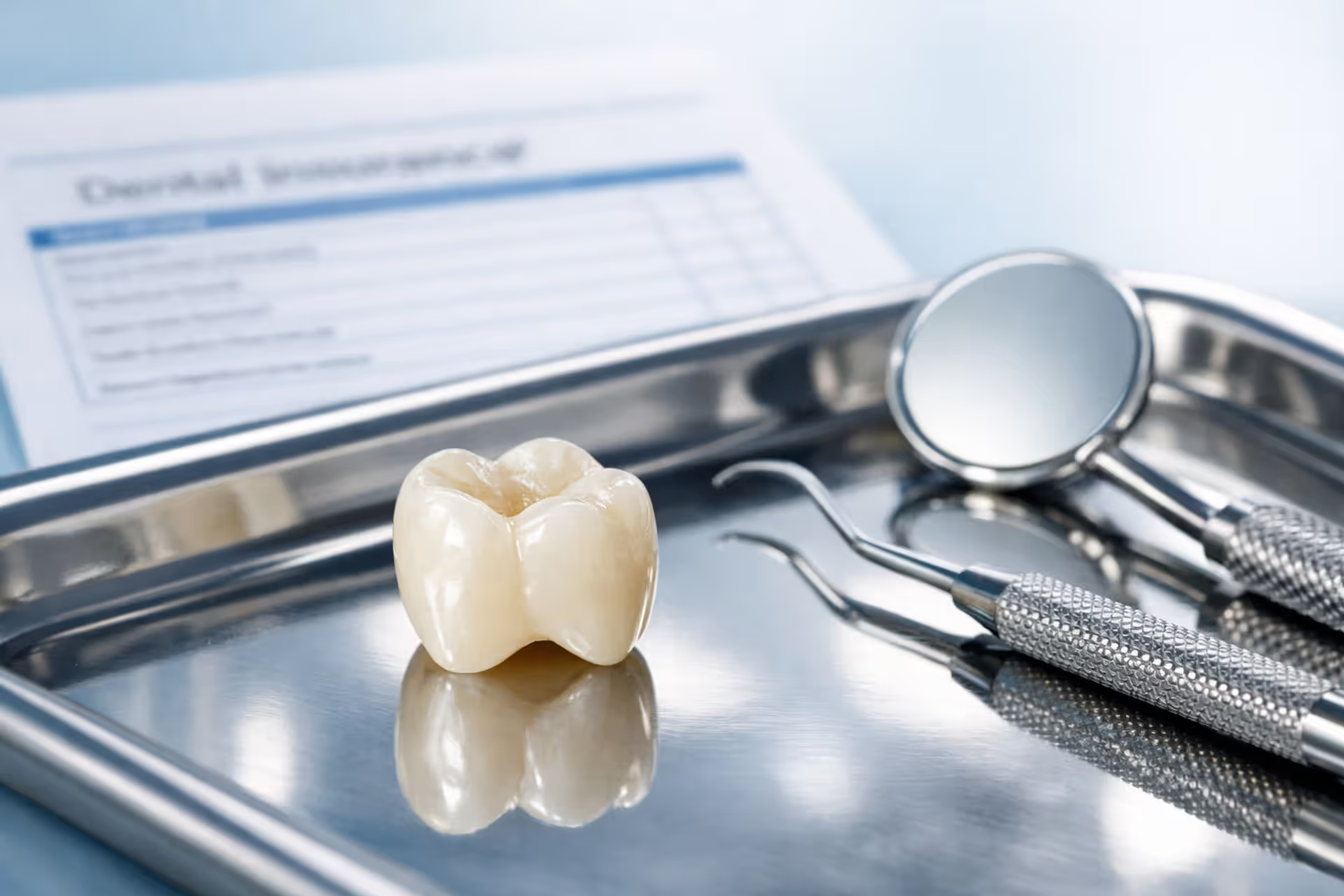
Here's what most people don't realize: that "50% coverage" your insurance company loves to advertise rarely means you'll pay exactly half. Between annual caps that run out halfway through the year, fee schedules that bear zero resemblance to what dentists actually charge, and enough fine print to wallpaper your bathroom, calculating your real cost feels like solving a calculus equation blindfolded.
The difference between your expected cost and your actual bill often hits $300-$700. Sometimes more. Let's break down where that gap comes from and what you'll actually pay when you sit down in that chair.
What Does Dental Insurance Typically Cover for Crowns
Here's the basic framework: insurance companies sort dental work into three buckets. Preventive stuff like cleanings? They'll cover 80-100%. Basic work like fillings? You're looking at 70-80%. Major procedures—including crowns—drop down to 50% coverage after your deductible.
That's the standard model. Budget plans sometimes bottom out at 40% for major work. High-end employer plans occasionally bump up to 60%, though you'll need a pretty generous benefits package to see that.
Now add the annual maximum—the total dollar amount your insurance will pay in a calendar year. For most plans, that ceiling sits around $1,500 to $2,000. Sounds reasonable until you do the math. Let's say you've already burned through $900 on a root canal and some fillings. Your crown costs $1,400, and your insurance would normally pay 50% ($700). But you've on...
Read more

The content on this website is provided for general informational and educational purposes only. It is intended to offer guidance on dental insurance topics, including coverage options, premiums, deductibles, waiting periods, annual maximums, claims processes, and procedures that may be covered by insurance such as implants, braces, crowns, dentures, and preventive care. The information presented should not be considered medical, dental, financial, or professional insurance advice.
All articles and explanations published on this website are for informational purposes only. Dental insurance policies may vary between providers, and details such as coverage limits, exclusions, reimbursement rates, waiting periods, and eligibility requirements can differ depending on the insurer, plan, and individual circumstances.
While we strive to keep the information accurate and up to date, this website makes no guarantees regarding the completeness or reliability of the content. Use of this website does not create a professional relationship. Visitors should review official policy documents and consult with licensed dental or insurance professionals before making decisions regarding dental care or insurance coverage.